Easter Egg Hunt Graphics and Illustrations for Editorial Use
As a blog designer and digital publisher, I spend a significant portion of my day evaluating visual assets not just for their aesthetic appeal, but for their functional utility in content marketing. When I first encountered the Easter Egg Hunt design asset, my initial reaction was focused on its versatility within a broader editorial strategy. In the crowded landscape of online publishing, where attention spans are fleeting and competition is fierce, the right graphic can make the difference between a scroll-past and a click-through. This review explores how this specific illustration fits into real-world publishing workflows, from newsletter headers to downloadable lead magnets.
The First Impression: Mood and Niche Alignment
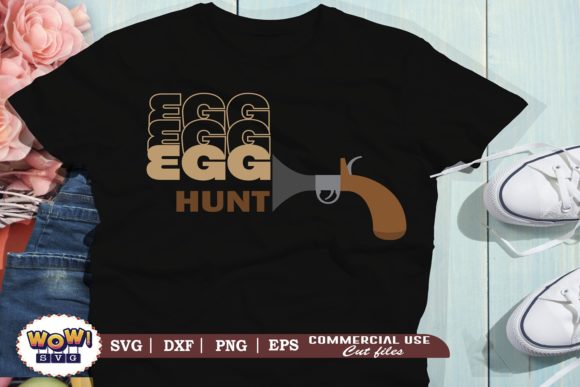
The Easter Egg Hunt graphic immediately establishes a tone that is playful yet polished. For publishers in the lifestyle, parenting, or seasonal home decor niches, this asset strikes a balance that feels approachable without sacrificing professionalism. The visual language suggests a springtime freshness that aligns well with content aimed at families, educators, or small business owners looking to refresh their brand identity during the Q2 season. It does not feel overly childish; rather, it possesses a modern simplicity that allows it to integrate seamlessly into clean, minimalist website designs while still providing enough visual interest to capture reader trust.
From an editorial perspective, the mood is inviting. It supports content that needs to feel warm and accessible, such as DIY guides, seasonal recipes, or educational printables. However, because the design relies on clear lines and distinct shapes, it also holds up well in more structured layouts. This duality makes it a valuable addition to any creative designer’s toolkit, particularly those who need graphics that can transition smoothly from social media teasers to high-stakes affiliate marketing pages.
Integrating Easter Egg Hunt Into Your Publishing Workflow
In my experience, the most effective use of a single design asset is across multiple touchpoints in the user journey. The Easter Egg Hunt file set is particularly robust for this purpose. Because it includes multiple formats, including SVG, PNG, EPS, and DXF, it allows for precise scaling and adaptation across different mediums. Here is how I recommend integrating these graphics into your content marketing strategy:
- Blog Featured Images: Use the primary vector file to create custom featured images. The clean lines ensure that text overlays remain readable, which is critical for SEO and click-through rates.
- Pinterest Pins: Pinterest is a visual search engine, and high-contrast, clear graphics perform exceptionally well here. The Easter Egg Hunt illustration provides a strong focal point that can stop the scroll when paired with bold typography.
- Newsletter Headers: Seasonal newsletters often suffer from cluttered designs. Using this graphic as a subtle accent or header element adds a touch of thematic relevance without overwhelming the copy.
- Digital Guides and eBooks: For creators selling digital products, consistency is key. Incorporating this graphic into the cover design or chapter dividers creates a cohesive brand identity that signals quality to potential buyers.
- Social Media Graphics: Whether for Instagram stories or Facebook posts, the scalability of the SVG format ensures crisp rendering on all devices, maintaining professional standards across platforms.
Enhancing Content Performance Through Visual Hierarchy
One of the core principles of web design is visual hierarchy—the arrangement of elements to imply importance. A well-chosen graphic design asset like the Easter Egg Hunt illustration can guide the reader’s eye naturally through your content. By placing this graphic strategically near calls-to-action (CTAs) or important information blocks, you can subtly reinforce the message and improve engagement metrics.
Furthermore, consistent use of such assets strengthens brand recognition. When visitors see familiar visual motifs across your blog posts, email campaigns, and social media profiles, they begin to associate those visuals with your authority and reliability. This is especially important for affiliate marketers and bloggers who rely on reader trust to drive conversions. A polished, professional look reduces cognitive load, allowing users to focus on the value proposition of your content rather than deciphering a chaotic layout.
Strategic Placement and Contextual Fit
While the Easter Egg Hunt graphic is versatile, it is essential to deploy it with intention. It works best in hero images, article thumbnails, and editorial accents where it can be given breathing room. The negative space around the design elements allows for easy integration of text, making it ideal for creating eye-catching headlines.
However, there are contexts where caution is advised. On small mobile thumbnails, intricate details may become indistinct, so it is crucial to test how the graphic scales down. Similarly, in text-heavy blog images or low-contrast backgrounds, the graphic might get lost. If your website operates in a serious professional niche or corporate environment, this playful asset may clash with the desired minimal visual system. In such cases, consider using it only for specific seasonal campaigns rather than as a permanent branding element.
Practical Publisher Notes for Implementation
Before incorporating the Easter Egg Hunt files into your projects, there are several technical considerations to keep in mind to ensure optimal performance and legal compliance:
- Responsive Testing: Always preview your designs on both desktop and mobile screens. Check how the graphic interacts with responsive breakpoints and whether it maintains its impact on smaller viewports.
- Contrast and Readability: Test the graphic against various background colors. Ensure that any overlaid text meets accessibility standards for contrast ratios. Placing the graphic beside serif fonts, sans-serif fonts, or script styles can help you find the perfect typographic harmony.
- File Size Optimization: While SVG files are lightweight, rasterized versions (PNG) can bloat page load times if not compressed properly. Use tools to optimize image sizes for web performance without sacrificing quality.
- Licensing Verification: Confirm the commercial license terms before using the asset on monetized websites, affiliate pages, or paid content products. Understanding the scope of usage rights protects your business from potential legal issues.
- Cricut and Print Integration: For those creating physical products or printables, the included DXF and EPS files are invaluable. They allow for precise cutting and printing, ensuring that your tangible offerings match the digital quality of your online presence.
Final Thoughts on Design Assets for Digital Publishers
In the realm of digital publishing, every pixel counts. The Easter Egg Hunt illustration offers a blend of charm and functionality that can elevate your content from ordinary to exceptional. By leveraging its adaptability across various formats and platforms, you can create a unified visual narrative that resonates with your audience. Whether you are designing a new lead magnet, refreshing your social media graphics, or updating your website’s seasonal look, this asset provides the creative foundation needed to engage readers effectively. As a seasoned publisher, I find that investing in high-quality, versatile design assets pays dividends in brand loyalty and content performance. Embrace the flexibility of this graphic to enhance your editorial design and strengthen your online presence this Easter season and beyond.